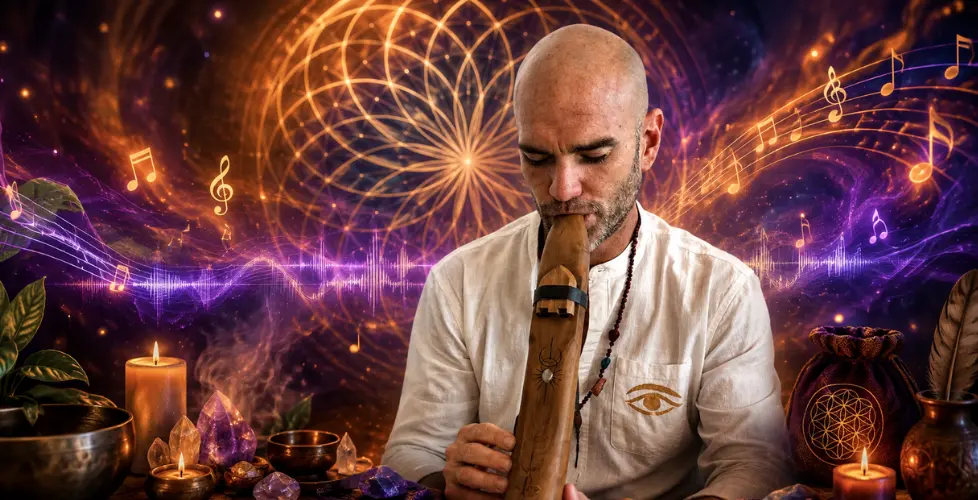
Ceremony : The Power of the Altar
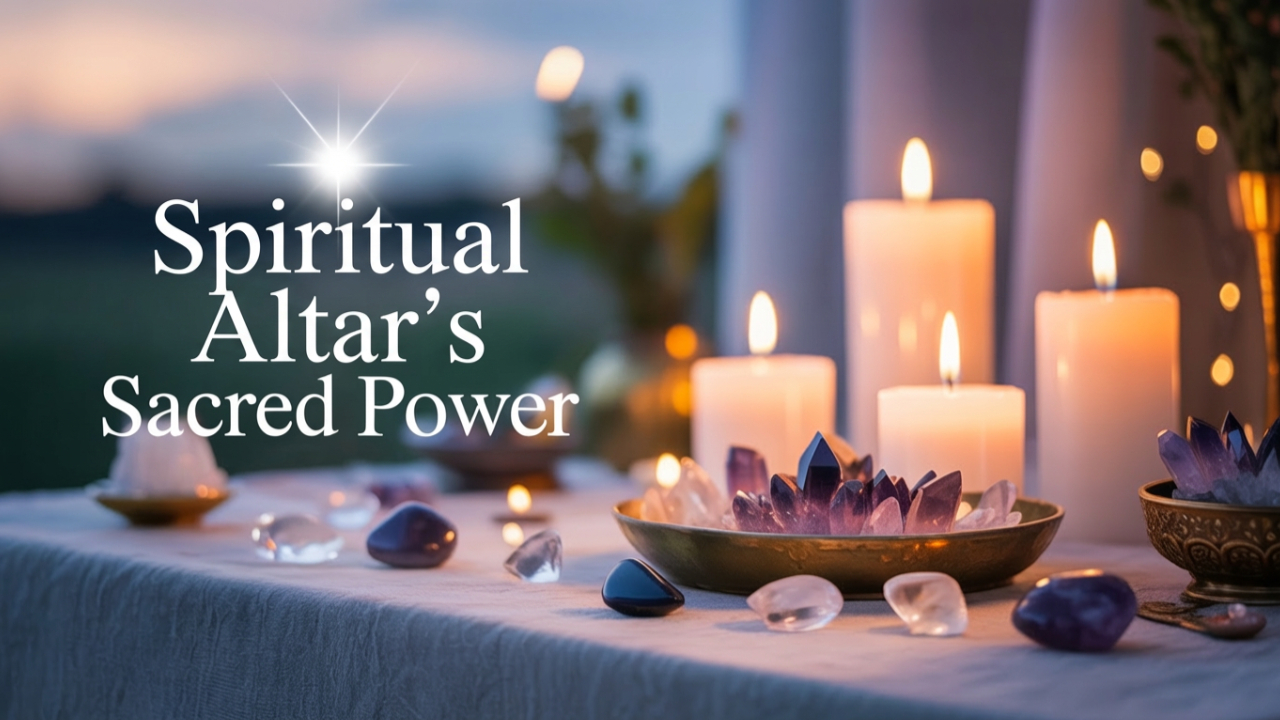
There is a special kind of stillness that settles in when we gather around an altar. It is a place that draws us inward, invites us to listen, and opens a doorway into something deeper. During this week’s Ceremony talk, we explored the meaning, history, and living energy of the altar, and why so many people across time and culture have been drawn to create one.
What an Altar Really Is
An altar is a focal point. The word comes from a Latin root that speaks to elevation, a high place, a place set apart. It is a structure made for offerings, reverence, and connection. It can sit in a bedroom, a business, a ceremony space, or any corner that feels like home for your spirit.
Altars can be personal, ancestral, artistic, erotic, earthly, or energetic. They are not about perfection or appearance. They are about resonance. They hold what speaks to you, what grounds you, what reminds you of what matters.
Many people have created altars without even realizing it. A cluster of objects on a bedside table while traveling. A photo of a loved one resting next to a favorite stone. A small collection of items that feel like home. These are all early altars, made from instinct rather than intention.
A Tradition Across Time
Human beings have been creating altar-like spaces since the beginning.
In ancient eras, people formed stone circles, carved out cave arrangements, and built fire pits that called on the spirits of ancestors, the sun, the moon, and the cycles of the earth. In Mesopotamia and Egypt, statues and offerings filled temples dedicated to divine forces. In the Vedic and Hindu traditions, fire altars were built to honor Agni and cosmic balance. Ancient Greece and Rome placed altars at the center of civic and spiritual life.
Across Jewish, Christian, and Islamic traditions, altars continue to be central to ritual and prayer. Indigenous cultures build altars of bone, feather, stone, and shell. Modern seekers craft grief altars, moon altars, remembrance altars, and ceremony altars of all kinds.
From the very beginning, altars have helped us step into connection with something larger than ourselves.
Why We Create Them Today
Even now, an altar remains a place to return to. A calm point in a world that often feels loud and chaotic. For many, sitting at an altar brings a quiet wave of clarity and presence. It becomes a space where the inner world can breathe.
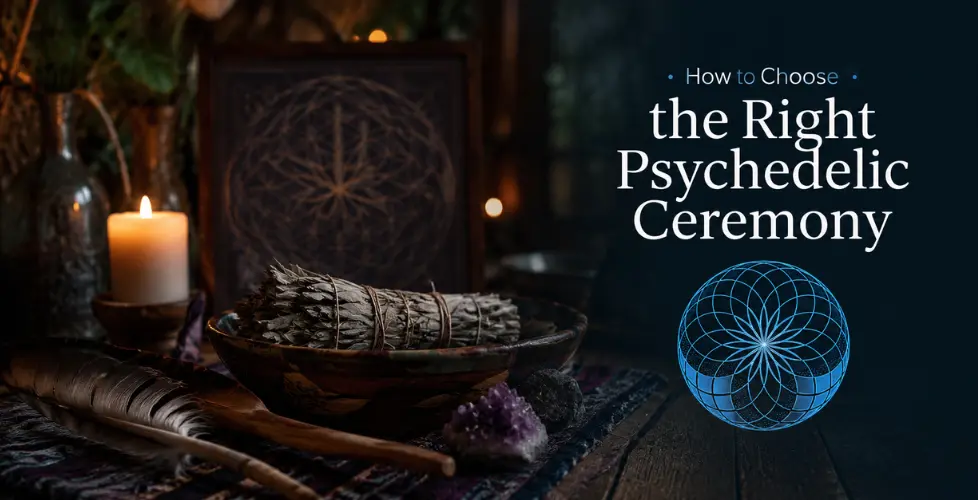
Altars also help focus intention. In ceremony, they ground the medicine, hold the energy, and create a center for transformation. Flowers, crystals, feathers, candles, sacred objects, and personal items all become reminders of the path we are walking.
Some people create a daily altar at home. Others build ceremonial altars for specific work. Some have traveling altars made of small stones and talismans that move with them from place to place. Each type has its purpose. Each offers its own kind of support.
A Living Conversation
An altar is not a display. It is a relationship.
You sit with it, tend it, breathe near it, and let it reflect you back to yourself.
It can hold your prayers, your intentions, your grief, your gratitude, and your growth.
It can honor the people who shaped you, the medicine that guides you, and the practices that help you stay steady.
In this week’s Ceremony session, we were reminded that altars are not meant to impress. They are meant to anchor. They are meant to invite you into presence. They are meant to open the space between the seen and unseen, where connection becomes possible.
Bringing the Altar Into Your Life
There is no right or wrong way to create an altar. There is only what feels true.
You might begin with one object that holds meaning. You might build a space full of elements that resonate. You might start small and let it grow with you.
The altar is yours.
Your energy. Your intention. Your bridge to the sacred within and around you.
As we continue our work together, may your altar be a place of stillness, clarity, and gentle transformation. If you are interested to know more about ceremonies and altars, join us and be a member, visit www. thesacredsynthesis.com.